
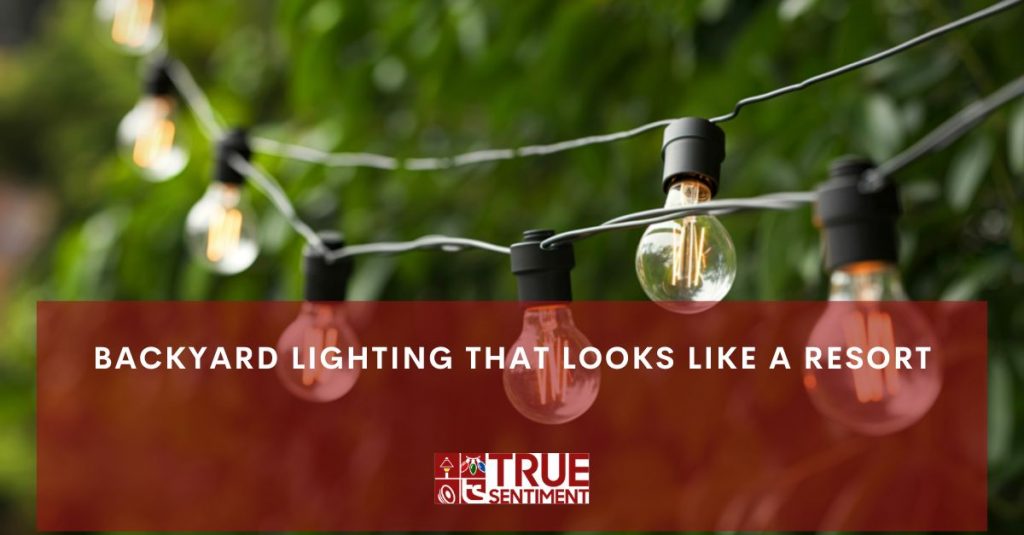
There’s a particular feeling you get stepping onto a well-lit terrace at a luxury hotel—the warm glow of string lights overhead, the subtle shimmer near the pool, and the seamless blend of ambiance and function. That feeling isn’t accidental. It’s designed. Backyard lighting can recreate that same atmosphere at home, and increasingly, it’s something homeowners are bringing into their own backyards.
Outdoor living spaces have evolved well beyond a simple patio set and a few citronella candles. High-end homeowners are investing in thoughtful, layered lighting systems that transform their yards into genuine extensions of their homes—spaces that look and feel like a private resort after sundown. But achieving that level of sophistication takes more than picking a few fixtures off a shelf. It requires careful planning, professional expertise, and a design vision that matches your property’s personality.
This post breaks down the key elements of resort-quality backyard lighting—from café string lights to integrated audio-visual systems—and explains why professional installation is what separates a truly stunning outdoor space from one that merely tries to be.

The Art of Café Lighting Design
Few lighting elements carry as much visual weight as café lighting. Those softly glowing Edison-style bulbs strung overhead have become synonymous with sophisticated outdoor entertaining—and for good reason. When done right, they create an instant sense of warmth and intimacy that flat overhead lighting simply cannot replicate.
But café lighting is far more nuanced than it appears. The bulb type, string gauge, color temperature, and hanging height all affect the final look. Warm white bulbs in the 2200K–2700K range tend to produce that golden, flattering glow associated with upscale restaurant terraces. Hang the strings too high and you lose intimacy; too low and they become a hazard. The spacing between bulbs and anchor points also matters—irregular spacing can look haphazard, while consistent geometry reads as intentional and refined.
A professional installer will assess your space, consider the architectural features of your home, and design a layout that feels purposeful. They’ll also handle weatherproof wiring, appropriate load calculations, and timer or dimmer integrations—details that protect both the aesthetics and the safety of your setup.
Overhead Lighting Layouts That Actually Work
Overhead lighting does two things well: it provides functional illumination and, when designed thoughtfully, adds a quiet elegance to the space below. The key word is thoughtfully. An overhead lighting layout that hasn’t been planned properly can leave dark corners, create glare, or simply feel clinical rather than inviting.
The most effective overhead layouts for high-end outdoor spaces balance ambient and task lighting. Recessed LED downlights in a covered pergola offer clean, unobtrusive illumination without disrupting sightlines. Pendant fixtures above an outdoor kitchen or dining area draw the eye and define zones within the space. Uplighting along structural columns or pergola posts adds depth and visual interest.
Custom design plays a significant role here. The layout that works for a minimalist concrete terrace won’t suit a lush, garden-style backyard—and vice versa. True sentiment about your property—how you use the space, which features you love, what mood you want to set—can help a designer build something that actually reflects your lifestyle rather than a generic showroom floor.
Lighting Zones for Patios, Pools, and Seating Areas
One of the most important concepts in professional outdoor lighting is zoning—the practice of dividing your backyard into distinct lighting areas, each with its own purpose and character. A well-zoned backyard feels layered and dynamic. A poorly lit one feels flat.
Patio zones typically call for a combination of ambient overhead lighting and accent lighting. Wall-mounted sconces near entry points, low-voltage path lights along the perimeter, and subtle under-bench lighting all contribute to a space that feels complete and considered.
Pool zones require a different approach entirely. Underwater LED lighting is both a safety feature and a design statement—the right color temperature and placement can make a pool look like something out of a Maldives resort. Around the pool deck, low-profile ground lights and submerged perimeter lighting reduce trip hazards while maintaining a sleek aesthetic. Safety compliance is also a non-negotiable here; professional installers understand the specific requirements for wet and damp-rated fixtures.
Seating areas benefit most from dimmable, directional lighting. The goal is conversation and relaxation, not stadium-level brightness. Recessed spotlights on a dimmer, low-slung pendant lights over a fire pit, or even integrated lighting within outdoor furniture pieces can all contribute to an atmosphere that encourages guests to linger.
The advantage of working with a professional is that they can wire each zone to a centralized control system, allowing you to adjust the mood across your entire backyard from a single app or panel.
Integrated Outdoor Audio and Lighting Systems
The most impressive outdoor spaces don’t treat lighting and audio as separate considerations—they integrate them. A synchronized system that pairs ambient sound with complementary lighting creates an immersive environment that genuinely rivals a luxury hotel experience.
Modern integrated systems allow homeowners to program scenes that combine both elements. A “dinner party” scene might dim the overhead lights, activate warm accent lighting near the pool, and cue up background music at a conversational volume—all triggered by a single tap. A “nightcap” scene could shift the lighting to an even warmer tone while winding down the audio.
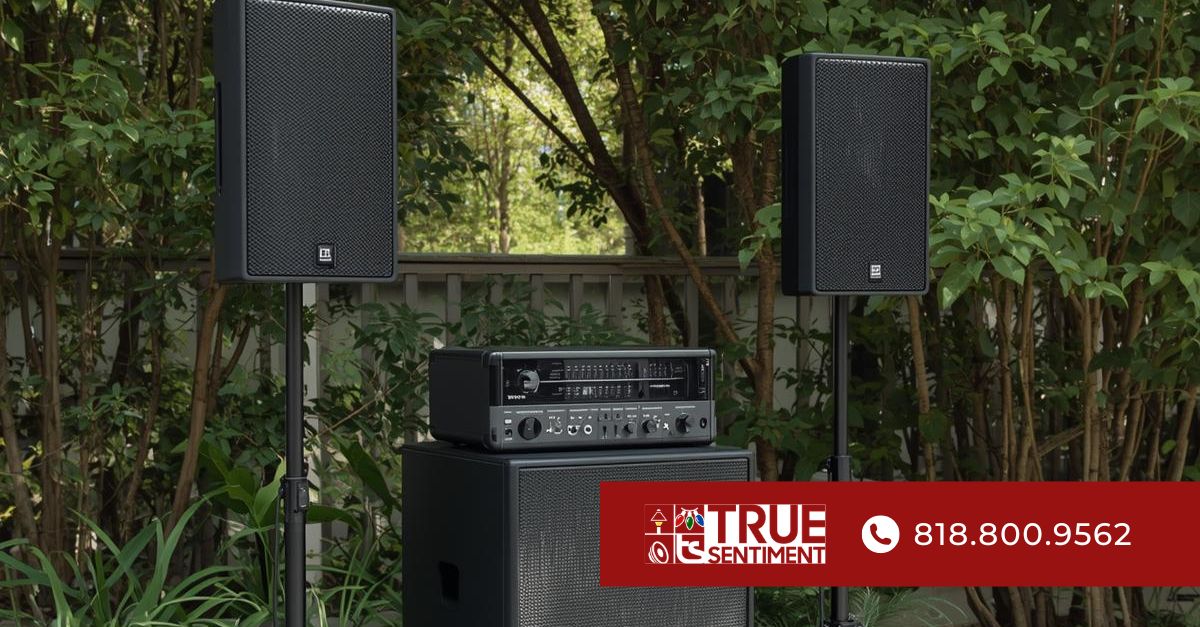
Weatherproof outdoor speakers have improved dramatically over the past decade. Brands like Sonos, Polk Audio, and Klipsch offer landscape speaker systems that blend into garden beds, retaining walls, and patio structures. Paired with smart lighting from systems like Lutron or Control4, these setups are genuinely impressive—and genuinely complex to install correctly.
Proper integration requires knowledge of both low-voltage electrical work and audio-visual systems. Cable routing, speaker placement for optimal sound distribution, conduit protection for outdoor wiring, and smart home compatibility all need to be considered together. This is where a professional with cross-discipline experience becomes invaluable.
Why Professional Installation Isn’t Optional
It’s tempting to approach backyard lighting as a DIY project. There are plenty of plug-in string light kits and solar path lights on the market, and they can certainly make a space look nicer. But they won’t make it look like a resort.
Resort-quality lighting is the product of custom design, quality materials, and expert installation. A professional assesses your space holistically—taking into account the architecture, landscape, how natural light changes throughout the day and year, and how you actually use your backyard. They anticipate problems before they arise: overloaded circuits, poorly anchored string lights that sag after a storm, underwater pool lights that fail because they weren’t properly sealed.
There’s also the long-term value consideration. Professionally installed outdoor lighting adds measurable curb appeal and resale value to a property. It also tends to last significantly longer than DIY alternatives, thanks to commercial-grade fixtures and proper electrical work.
Beyond the technical benefits, there’s something to be said for the design expertise a professional brings. Custom solutions, built around your specific property, always outperform off-the-shelf approaches. That’s true whether you’re talking about furniture, architecture, or lighting.
Turn Your Backyard Into Your Favorite Place to Be
A resort-quality backyard isn’t defined by square footage or the size of the pool—it’s defined by atmosphere. The right lighting, thoughtfully designed and expertly installed, is what creates that atmosphere. It’s the difference between a yard you maintain and a space you actually want to spend time in.
If you’re ready to transform your outdoor space, start by consulting with a professional lighting designer who understands both the technical and aesthetic dimensions of the work. Bring your ideas, your inspiration photos, and your honest sense of how you want the space to feel. The result will be something that reflects your property—and your lifestyle—in the best possible light.